Column · @simonzusu358
What Families Love Most About a Pizza Restaurant
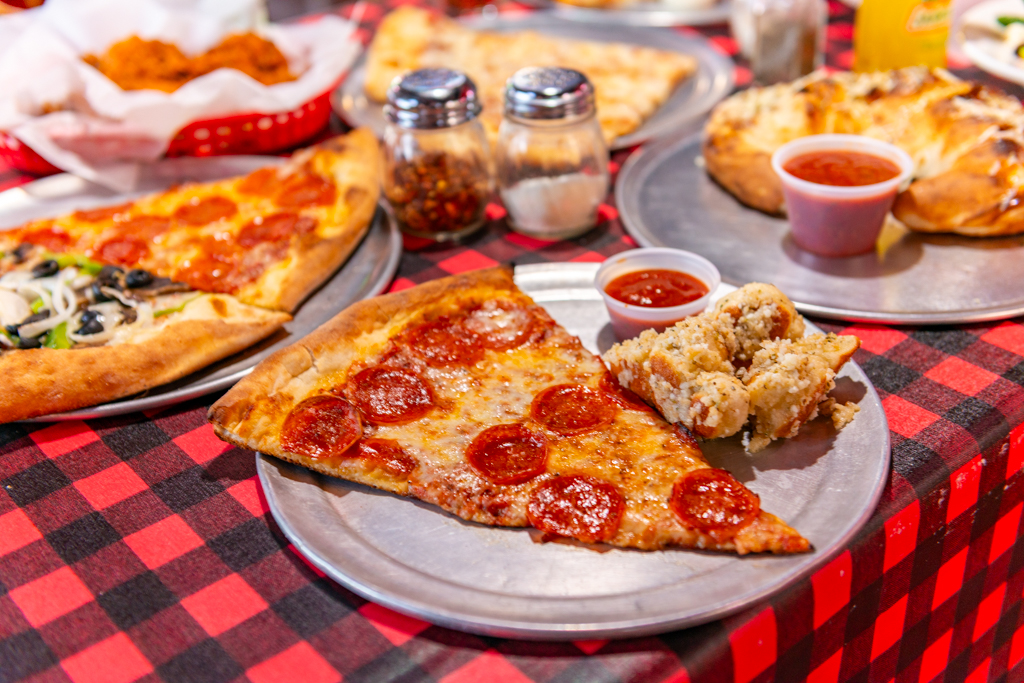

Families do not choose a pizza restaurant for one reason alone. They choose it because the place solves a whole evening. It feeds adults and children without a fight, gives everyone something they actually want to eat, and creates a setting where dinner feels easy instead of negotiated. That is a bigger achievement than it sounds.
Anyone who has spent time around family dining, whether as a parent, manager, server, or owner, learns quickly that convenience gets people in the door, but comfort brings them back. A family might try a new place because it is close to the soccer field or because a neighbor recommended the crust. They return because the staff remembered their youngest likes extra napkins, because the booths were roomy enough for a stroller, because no one acted annoyed when a toddler dropped a cup, and because the food was consistently good even on a busy Friday night.
Pizza has an advantage other restaurant categories do not. It feels shared by design. A table with a large pie in the middle invites conversation, compromise, and a little laughter. One child picks pepperoni, another wants mushrooms on half, a parent orders a salad to feel balanced, and somehow everyone leaves satisfied. That flexibility is part of the appeal, but it is only the start of what families value most.
The relief of feeding everyone at once
The first thing families love about a pizza restaurant is simple, and it matters more than many operators admit: almost everyone can find something to eat. That sounds obvious until you think about the friction built into many other dining options. One child wants plain food, another is adventurous, one parent is avoiding heavy meals, and a grandparent may need softer textures or a lighter portion. At a good pizza restaurant, those preferences can usually coexist at one table without turning into a negotiation marathon.
Pizza works because it is flexible. Crust style, toppings, portion size, and side dishes create room for different tastes. A thin-crust vegetable pie can sit next to a classic cheese. Breadsticks can buy time while hungry children wait. Pasta or soup can help the family member who never really wanted pizza in the first place. That range lowers stress before the first order is even placed.
The best family-oriented places understand that choice has to be manageable, not overwhelming. A giant menu with 60 topping combinations may look generous, but for a family with tired children at 6:30 p.m., too many options can backfire. A clear menu, a few reliable combinations, and the ability to customize without drama usually matter more than endless novelty. Parents appreciate places that know the difference between flexibility and friction.
There is also a budget dimension here. Pizza is one of the few restaurant meals that can still feel economical when several people are sharing. A family of four can often split two pizzas, add one salad, and feel they got a full dinner without the bill climbing into special-occasion territory. Families notice value very clearly. They do not mind paying for quality, but they remember when a meal feels fair.
The mood is naturally low-pressure
Many restaurants say they welcome families. Some truly do. Others tolerate them. Families know the difference within about thirty seconds of walking in.
A pizza restaurant often wins because the atmosphere is already forgiving. It is lively without being formal. Plates clatter, ovens hum, kids talk a little too loudly, and no one treats ordinary family noise as a disruption. That sense of permission changes the whole experience. Parents can relax their shoulders. Children feel less constrained. Dinner becomes enjoyable instead of performative.
This does not mean families want chaos. They are not looking for sticky floors and wild service. They want a room that feels warm, casual, and well-run. The sweet spot is a place where energy is present but controlled. Think sturdy tables, comfortable booths, enough space between parties, and a soundtrack that adds life without making conversation difficult.
I have seen the difference one room can make. In one local pizza restaurant, the dining area was never fancy, but the seating was practical and thoughtfully arranged. Large corner booths gave parents a way to contain coats, backpacks, and booster seats without feeling crowded. The open kitchen let children watch dough being stretched, which kept them occupied for five precious minutes. The place was almost always busy, yet it rarely felt frantic. Families loved it, not because it was luxurious, but because it made ordinary life easier.
Staff who understand children without talking down to adults
Service can make or break a family meal faster than the food. Families remember kindness with surprising detail. They remember the host who found room for a high chair without a sigh. They remember the server who paced the meal intelligently, bringing a kid's drink in two minutes instead of ten. They remember when someone offered extra plates for sharing before being asked.
What families love most is not theatrical friendliness. It is competence mixed with patience. Good staff know that family tables run on a slightly different rhythm. Orders may take a minute longer. Questions are more practical. Can you do half this topping, half that? Can the sauce go on the side? Is the kitchen fast tonight? Those questions are not inconveniences. They are the mechanics of getting a household fed.
The strongest family-friendly servers also know when to interact and when to step back. Some children love chatting. Others are shy or overstimulated. Some parents want to move the meal along because bedtime is looming. Reading the table matters. That kind of judgment cannot be faked with a script.
Families also respond to small signs of respect. Adults appreciate being treated like adults, not like logistical problems. If a child spills a drink, a calm cleanup is enough. No one needs a dramatic reassurance routine. If the kitchen is delayed, honest timing goes much further than vague promises. Parents can manage a wait if they know what is happening. What they dislike is uncertainty.
The details families notice right away
A family may not praise these points out loud, but they feel them immediately:
- quick seating, or at least an honest wait estimate
- clean high chairs, booster seats, and restrooms
- fast arrival of water, children's drinks, or a simple starter
- room for substitutions without making the order awkward
- staff who stay calm when children act like children
None of these details are glamorous. All of them shape whether a family sees a pizza restaurant as dependable.
Shareability matters more than people think
Family dining is not only about what each person orders. It is about what the table does together. Pizza encourages sharing in a way that many meals do not. People reach for slices, trade crust opinions, debate toppings, and steal bites from each other with full permission. That interaction gives the meal a social center.
For families with young children, shared food simplifies portioning. Parents can start with one pie, see who is actually hungry, then add another if needed. Teenagers can eat three slices or six without anyone feeling locked into a fixed entree. Grandparents who prefer smaller portions can take one slice and a side salad without waste. The structure is forgiving.
Shareability also softens picky eating. A child who would refuse an unfamiliar entree may agree to try one slice with a new topping because the commitment feels small. Over time, that matters. Many parents have a story like this: the child who insisted on plain cheese for years suddenly tries a white pizza with spinach because an older cousin dared them to taste a bite. That moment happens more easily in a shared meal format than with individually plated dishes.
Then there is the emotional side. Family traditions often form around foods served in the center of the table. Friday pizza night, post-game pizza, birthday pizza, moving-day pizza, last-day-of-school pizza. These rituals stick because they are easy to repeat and pleasant to remember. A dependable pizza restaurant often becomes part of the family's internal map, one of those places everyone assumes they will keep returning to.
Predictability builds trust
Families often have less appetite for dining risk than child-free diners do. That is not a criticism. It is just reality. When dinner includes children, timing matters, hunger matters, and patience can run out fast. Parents are usually not looking for a culinary gamble on a weeknight. They want a meal they can count on.
That is why consistency is so valuable. A trusted pizza restaurant delivers the same crust texture, the same sauce balance, and the same portion size week after week. The breadsticks arrive hot. The salad is fresh. The house special tastes the way it did last month. Consistency may sound less exciting than innovation, but for families it is often the difference between a reliable outing and an exhausting one.
This applies beyond food. Predictable service times matter. Accurate pickup windows matter. If dine-in typically takes 45 minutes from arrival to departure, families will plan around that. If takeout is usually ready within the promised range, they will fit it into their evening. Reliability creates loyalty because it fits into real schedules, not idealized ones.
There is an important trade-off here. Some pizza restaurants try to expand aggressively into every trend, adding oversized menus, experimental toppings, and complicated promotional offers. A little novelty can be fun, especially for repeat customers. Too much complexity can slow the kitchen and muddy the identity that families liked in the first place. The best operators know how to add seasonal interest without disrupting the core experience.
The room itself has to work for actual family life
Families are practical. They notice the physical setup of a restaurant in a way that other guests sometimes do not. Can you get a stroller through the aisle without clipping every chair? Is there a place to set a diaper bag? Can a family of five sit together without crowding elbows and backpacks? Are the restrooms clean enough that a parent does not dread the trip halfway through dinner?
These questions may sound mundane, but they are central to whether a pizza restaurant feels welcoming. A beautiful dining room that functions poorly will lose family traffic. A simpler room that works well often wins.
Noise level is one of the most overlooked design factors. Families usually want enough ambient sound that a lively child does not feel embarrassingly loud, but not so much noise that grandparents cannot hear or parents have to shout. Hard surfaces, open ceilings, and packed seating can turn a busy room into an acoustic headache. Softening materials, thoughtful spacing, and sensible volume control make a huge difference.
Lighting matters too. Very dim restaurants can frustrate families, especially with younger children who need help cutting food or reading a menu. Bright, harsh lighting is not ideal either. The sweet spot is clear, warm light that makes the room feel alive and easy to navigate.
A pizza restaurant that truly understands families often shows it in subtle ways. Hooks near booths for coats. Easy-to-clean tables that still look cared for. Hand sanitizer near the entrance. Slices served at a temperature children can actually manage within a few minutes. These are practical decisions, but families read them as hospitality.
Speed, but not haste
Families want food to arrive promptly. They do not want to feel rushed out the door. Those are different things, and the distinction matters.
When children are hungry, every extra ten minutes feels long. A strong pizza restaurant handles this by managing the first phase of the meal well. Drinks come quickly. If there is a wait for the pies, garlic knots, breadsticks, or a small appetizer can bridge the gap. Some places offer dough scraps for kids to shape or a few crayons and a paper menu. Those touches are inexpensive, but they buy goodwill at exactly the right moment.
At the same time, families do not want the meal paced like a fast-food transaction unless that is what they ordered. They may be celebrating a recital, reconnecting after separate work and school schedules, or just enjoying the rare chance to sit still together. A restaurant that clears the table too aggressively or drops the check before people have finished signals impatience. Families pick up on that.
The best service rhythm is responsive. If the table is moving fast because there is a toddler nearing meltdown, help them move fast. If the group is lingering happily over the last slices and another round of iced tea, let them have that time. Great hospitality is situational.
Menu range without identity loss
Families love variety, but only when it supports the central promise of the meal. A pizza restaurant does not need to become everything to everyone. It does need enough breadth that mixed groups can dine together without compromise feeling like sacrifice.
That usually means a core pizza menu with a few dependable side categories: salads, appetizers, perhaps pasta, sandwiches, or a simple dessert offering. For many families, that is enough. A parent trying to eat lighter can order grilled chicken on greens. A child who refuses red sauce can have buttered noodles. A teenager can demolish a meat-heavy pie and still eye the dessert menu. The restaurant keeps its identity while broadening its usefulness.
Dietary accommodation matters too, though it should be approached honestly. Gluten-free crust, dairy-free cheese, and vegetable-forward options help many families include everyone at the table. But execution matters more than the label. A mediocre gluten-free crust that is always undercooked does not create loyalty. A carefully handled alternative, even if the selection is limited, does.
Some of the most successful family pizza restaurants keep a short list of items that quietly solve recurring needs. A https://gunnervlpb617.evergrovio.com/posts/how-a-pizza-restaurant-delivers-flavor-in-every-slice half-size Caesar. Apple slices for little kids. A plain pasta option. A sauce sampler. These are not headline features, but they reduce friction in the moments when friction usually shows up.
Affordability and value are not the same thing
Families pay attention to price, but what they really evaluate is value. A pizza restaurant can charge more if the quality, portion size, and experience justify it. What families dislike is mismatch. If the pizza is expensive and skimpy, or the bill climbs through add-ons that should have been transparent, trust erodes quickly.
Value comes from several places. Portion sizes should make sense for sharing. Topping charges should be easy to understand. Combo meals can help if they are genuinely useful, not engineered to confuse. A family special that includes two pizzas, a salad, and drinks may move a lot of traffic because it simplifies decision-making as much as it saves money.
Parents also appreciate when a restaurant offers restraint. Not every meal needs a hard sell on appetizers, desserts, and branded extras. Families notice when staff recommend what actually fits the table. That kind of honesty can increase long-term spending because it builds confidence. People return more often to places that do not make them feel managed.
A small anecdote illustrates the point. At one neighborhood spot, the server gently talked a family of four out of over-ordering by suggesting one large pizza and one side to start, with the option to add another pie if needed. The family did not need the extra food. They left feeling well taken care of rather than upsold. Within a month, they were regulars. Value is often remembered as much through restraint as through price.
Familiarity gives children confidence
Children tend to love pizza, but the attachment is not only about taste. Pizza is familiar. It looks recognizable, smells inviting, and arrives in a form kids understand immediately. That predictability gives them confidence in an environment that can otherwise feel busy or overstimulating.
For younger children, familiar food lowers the emotional temperature of dining out. When the meal itself is not a battle, parents can focus on behavior, conversation, and enjoyment. That shifts the whole tone of the outing. The restaurant becomes associated with success instead of stress.
Older children and teenagers respond to familiarity differently. For them, a pizza restaurant often feels social and casual rather than childish. They can eat a lot, laugh loudly, and bring friends along without the meal becoming a major production. That matters for families because good family restaurants need to age well. A place that works for a five-year-old and still works for that child at fifteen has real staying power.
The best places become part of family memory
Some restaurants are merely functional. Others become woven into family life. Pizza restaurants have a unique advantage here because they fit so many kinds of moments. They are easy enough for Tuesday night dinner, but cheerful enough for birthdays, team celebrations, and visiting relatives.
Families remember sensory details. The smell near the door. The flour on the pizza maker's hands. The way the cheese stretches on the first slice. The booth they always request. The server who asks about school or remembers the usual order. These things may seem small to an operator focused on volume, labor, and food cost, but they are the building blocks of loyalty.
A strong pizza restaurant often earns affection across generations. Grandparents like that the food is straightforward and the atmosphere is comfortable. Parents like that dinner is manageable. Children like that it feels fun. Few restaurant formats achieve that overlap as naturally.
What separates a merely good pizza restaurant from a family favorite
The places families love most usually get these judgments right:
- the food is consistent, not just occasionally great
- the room feels lively but still manageable
- the menu offers enough flexibility without becoming bloated
- the service is patient, quick-thinking, and unpretentious
- the overall bill feels fair for what the family received
Those standards are practical, but they are also deeply emotional. A family favorite is not measured only in flavor. It is measured in relief, familiarity, and the sense that everyone can exhale for an hour.
Why the category keeps its hold
Trends come and go in dining, but the family appeal of a pizza restaurant has proven remarkably durable. The reason is not nostalgia alone. It is utility combined with pleasure. Families can enter tired, hungry, a little disorganized, and still leave feeling fed and restored. That is a meaningful service.
At its best, a pizza restaurant offers more than convenience. It offers a kind of social ease that many families struggle to find elsewhere. The meal is shareable, the mood is forgiving, the choices are broad without being complicated, and the price often remains within reach. Add thoughtful staff and consistent execution, and the restaurant becomes more than a place to eat. It becomes one of the dependable settings where family life actually works.
That is what families love most. Not just the pizza, though the pizza matters. They love how the right place makes room for real life, with all its noise, preferences, mess, time limits, and small celebrations. A restaurant that can do that well earns something more valuable than a one-time visit. It earns its way into the weekly routine, the standing tradition, and eventually the family story.